Cyber Sanskar
Heart Attack: Causes, Symptoms, and Prevention
Understanding Heart Attack: Causes, Symptoms & Prevention
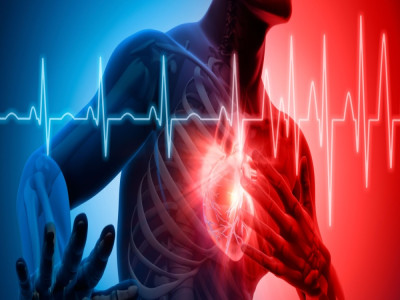
In today’s fast-moving and stressful lifestyle, heart-related diseases are rising rapidly, even among young people. One of the most serious conditions is a Heart Attack, which occurs when blood flow to the heart is suddenly blocked. This blockage prevents oxygen from reaching the heart muscle, causing damage that can become life-threatening if not treated in time. Understanding its causes, symptoms, and prevention can help reduce risks significantly.
What is a Heart Attack?
A heart attack happens when a coronary artery becomes blocked, usually due to a buildup of fat, cholesterol, and other substances that form plaque. When this plaque ruptures, a blood clot forms and stops the flow of blood. As a result, the heart muscle begins to die due to lack of oxygen. This is why immediate medical attention is critical in such situations.
Causes and Risk Factors
The causes of a heart attack are mostly related to lifestyle and underlying health conditions. Poor eating habits, lack of exercise, and chronic stress play a major role in weakening heart health over time. Conditions like high blood pressure, diabetes, and high cholesterol increase the risk further. Smoking is one of the most dangerous factors, as it damages blood vessels and reduces oxygen supply.
Some major contributors include: unhealthy diet and obesity, physical inactivity, smoking and excessive alcohol consumption, stress and poor sleep, and genetic predisposition.
Symptoms to Watch For
The symptoms of a heart attack can vary from person to person, but some warning signs are quite common. The most noticeable symptom is chest pain or discomfort, often described as pressure or tightness. This pain may spread to the arms, neck, jaw, or back. People may also experience shortness of breath, sweating, nausea, or sudden fatigue.
In some cases, especially in younger individuals, symptoms may be mild or mistaken for acidity or fatigue. That is why it is important not to ignore unusual discomfort in the body.
What To Do in Case of a Heart Attack
If someone is suspected of having a heart attack, quick action can save their life. The first step is to call emergency medical help immediately. The person should be made to sit or lie down in a comfortable position and kept calm. Tight clothing should be loosened to help breathing. If available and safe, Aspirin can be given to help thin the blood and improve circulation. Staying with the person until help arrives is very important.
Prevention and Healthy Lifestyle
Preventing a heart attack is largely possible by maintaining a healthy lifestyle. Regular exercise, such as walking or cycling for at least 30 minutes a day, helps keep the heart strong. A balanced diet rich in fruits, vegetables, and whole grains reduces the buildup of harmful cholesterol in the arteries. Avoiding smoking and limiting alcohol intake can significantly lower the risk.
In addition, managing stress through meditation, proper sleep, and relaxation techniques is equally important. Regular health checkups to monitor blood pressure, sugar levels, and cholesterol can help detect problems early and prevent complications.
Real-Life Risk Situations
Many heart attack cases today are linked to modern lifestyle habits. People working long hours with little physical activity, consuming fast food regularly, and dealing with constant stress are at higher risk. Ignoring regular health checkups or early warning signs also contributes to sudden cardiac events. These situations highlight the importance of awareness and preventive care.
Conclusion
A heart attack is a serious condition, but it is often preventable with the right habits and awareness. Small changes in daily routine, such as eating healthy, staying active, and managing stress, can make a big difference in heart health. Early recognition of symptoms and quick action during emergencies can save lives.
Remember: taking care of your heart today ensures a healthier and longer life tomorrow.