Cyber Sanskar
Child Nutrition Crisis and Food Safety in India
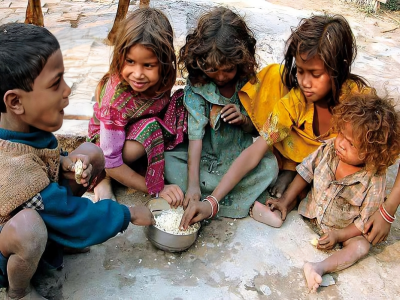
In India, children form the foundation of the nation’s future, yet many of them face serious health challenges due to food adulteration and malnutrition. Despite improvements in food availability, the quality and nutritional value of food remain major concerns. Adulterated food reduces the safety of what children consume, while malnutrition weakens their growth and development. Together, these issues create long-term health risks that can affect both physical and mental well-being.
What is Food Adulteration and Its Impact on Children?
Food adulteration refers to the mixing of harmful or low-quality substances in food to increase quantity or profit. In India, common examples include milk mixed with water or chemicals, spices with artificial colors, and fruits ripened using harmful substances. Children are especially vulnerable because their bodies are still developing, and even small amounts of contaminated food can harm their health.
Regular consumption of adulterated food can lead to stomach infections, weakened immunity, and in some cases, long-term organ damage. Since children require clean and nutritious food for proper growth, adulteration becomes a serious threat.
What is Malnutrition in Children?
Malnutrition occurs when children do not receive the right balance of nutrients needed for healthy growth. In India, this often appears as undernutrition, where children lack essential vitamins, minerals, and proteins. It can result in stunted growth, low weight, and poor immunity.
Malnutrition not only affects physical health but also impacts brain development, learning ability, and overall energy levels, making it difficult for children to perform well in school and daily life.
Causes and Risk Factors in India
The causes of adulteration and malnutrition in children are closely linked to economic and social conditions. Poverty, lack of awareness, and limited access to nutritious food are some of the major reasons. In many cases, families rely on low-cost food, which may be adulterated or lacking in essential nutrients.
Other contributing factors include: unbalanced diet, poor hygiene, lack of proper healthcare, consumption of street food, and insufficient knowledge about nutrition. In rural and underdeveloped areas, these problems are even more severe.
Signs and Health Effects in Children
Children suffering from malnutrition often show visible signs such as weakness, fatigue, slow growth, and frequent illness. They may have low energy levels, poor concentration, and delayed development. In severe cases, it can lead to long-term health issues.
Adulterated food, on the other hand, may cause sudden symptoms like stomach pain, vomiting, or infections. Continuous exposure can weaken the immune system and increase the risk of chronic diseases.
Prevention and Healthy Practices
Preventing these issues requires awareness and collective effort. Parents and guardians should ensure that children consume fresh, clean, and properly cooked food. A balanced diet including fruits, vegetables, milk, pulses, and grains is essential for proper growth.
Avoiding unpackaged or suspicious food items, especially from unreliable sources, can reduce the risk of adulteration. Teaching children basic hygiene, such as washing hands before eating, also plays an important role.
Government programs like mid-day meals and nutrition schemes are helping to improve children’s health, but awareness at the family level is equally important.
Real-Life Situations in India
In many parts of India, children depend on school meals or low-cost food sources, which may not always meet nutritional standards. Street food and unregulated markets often expose them to adulterated products. At the same time, lack of knowledge about balanced diets leads to poor eating habits.
These everyday situations show how both adulteration and malnutrition continue to affect children across the country.
Conclusion
Food adulteration and malnutrition are serious challenges for children in India, affecting their growth, health, and future potential. While adulteration compromises food safety, malnutrition weakens the body due to lack of proper nutrients.
Improving awareness, ensuring access to safe food, and adopting healthy eating habits can make a significant difference. Protecting children’s nutrition today is essential for building a healthier and stronger nation tomorrow.
Remember: healthy children are the foundation of a healthy India.